
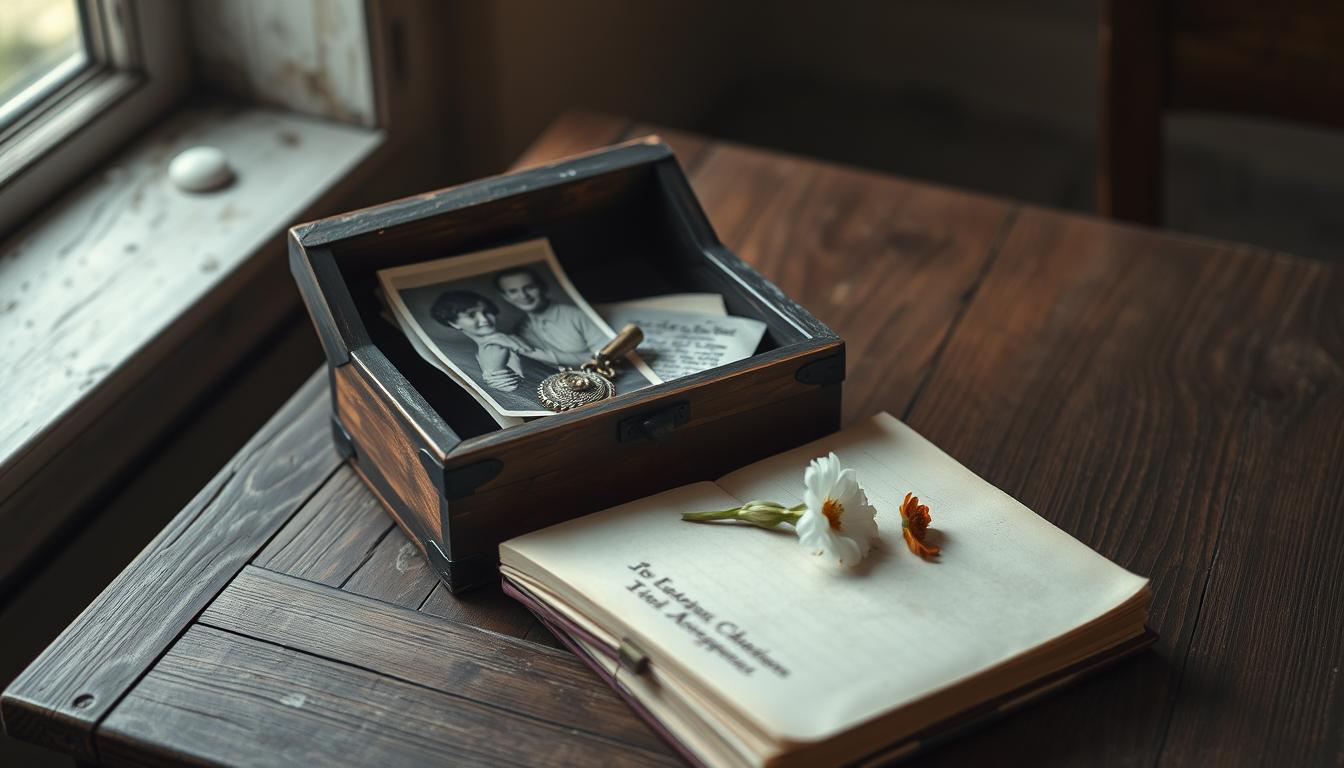
A simple object can spark a wave of memories instantly. Think of the Heart of the Ocean necklace from Titanic. Even after 80 years, it brought back Rose’s story. This isn’t magic; it’s science.
When we touch an old photo, smell a familiar scent, or hold something dear, our brains spring into action. Studies show memories triggered by objects can appear in just a tenth of a second. This was found in Linde-Domingo’s 2019 research. EEG scans show the brain’s quick response, flipping memories back like rewinding a film.
Scientists at the National Institute of Mental Health study how emotional triggers shape memory recall. A scent, a trinket, or even a song can unlock vivid details stored deep in our minds. These object memories aren’t just nostalgic; they show the brain’s precise system.
Even brief moments, like recalling a name like Dick Thompson, create instant neural pathways. This article shows how everyday items act as doorways to our past. It blends science and personal stories to reveal how objects shape who we are.
The Power of Memories Triggered by Objects
Everyday items like a childhood toy or a worn book can unlock vivid memories with just a glance. These mementos connect us to the past, using the brain’s memory association process. When we see an object, it triggers neural pathways from our past.
The hippocampus and amygdala work together, storing emotions and sensory details. This makes our memories rich and personal.

Emotional events create strong memory triggers because stress hormones like cortisol focus our attention. This is why traumatic or joyful moments leave a lasting mark. Studies show we remember negative memories longer than neutral ones.
For example, a soldier might remember battlefield sounds clearly but forget other details. This is called “emotional memory narrowing.”
Personal mementos work the same way. A journal entry or a gift from a loved one can bring back strong feelings. Therapists use this in treatments like cognitive-behavioral therapy to help clients change distressing memories.
Even simple objects like a childhood blanket or a concert ticket can be anchors. They help us connect to cherished or challenging times. These items are more than objects; they’re bridges to our past, guiding us in the present.
A Personal Story: Rediscovering Childhood
Childhood memories often hide in the smallest details. Years ago, I made a clay sculpture of mountain peaks during a hike. Underneath, I wrote “INVISIBLE” in tiny dots—a promise to myself. Today, it sits on my desk, a nostalgic object that connects me to cherished memories.

That sculpture reminds me of endless curiosity. Its hidden message teaches about faith and perseverance. Such objects tell our stories, linking past and present.
What object in your space whispers your story? A toy, a photo, or a half-finished project might hold deep meaning. These pieces of our past guide us back to who we were and who we’re meant to become.
How Objects Connect to Our Emotions
Things like a coffee mug or a necklace can hold deep emotional connections. A simple sentimental item like a wedding ring or a childhood toy tells stories only its owner knows. These memory objects connect us to key moments in our lives, filled with joy, loss, or love.
Think about the oil lamp a leader made to symbolize strength, or the paper lungs to honor faith. These emotional attachments are about purpose, not perfection. Studies show 90% of people who keep items from lost loved ones find these sentimental items help keep the bond alive. Even things like a child’s drawing or a faded photo are important because they remind us of what we value.

Science tells us why this happens. Our brains link smells, sights, and textures to our emotions. A 2018 Harvard study found smells like grandma’s perfume or a childhood home’s scent can bring back memories. This is because smell and emotion are stored together in our brains.
“The smells we love or hate are often decided in childhood, shaping lifelong emotional ties,” says Dawn Goldworm of scent branding firm 12.29.
These memory objects are more than keepsakes—they help us deal with grief or celebrate joy. Whether it’s a journal, a ring, or a seashell, they show that emotions last longer than the objects themselves. They remind us: our past is not just in our memories but in the things around us.
The Influence of Family Heirlooms
Family heirlooms are more than just objects. They connect generations. A tarnished pocket watch or a well-thumbed Bible holds generational memories that last long after they’re gone. These legacy items symbolize family history and are priceless because of the stories they tell.
Studies show 40% of cherished items are either inherited or gifted. This shows that emotional bonds are often more valuable than their monetary worth.
“Objects like heirlooms act as silent storytellers,” noted psychologist Gregory Jones, highlighting their role in triggering vivid recollections. “Their presence alone can rekindle conversations about ancestors, turning dining tables into classrooms of heritage.”
Think of a silver locket passed down through four generations. Its engravings might tell of a great-grandmother’s wedding. The scratches could tell of a child’s playful mishap. Yet, such family heirlooms can also cause conflict.
Disputes can arise when sentimental and financial values clash. This is often the case when there’s no clear record. Legal experts suggest documenting heirlooms to avoid fights. They recommend inventories or memorandums attached to wills. States like Minnesota and Florida have different tax rules, but clear documentation can ease tensions.

Creating new legacy items today ensures tomorrow’s family history stays alive. A handwritten recipe card, a child’s drawing, or a war medal can all become heirlooms. Their value lies in the intention behind keeping them, not their material worth.
Eugene Halton’s research shows even simple items gain importance when tied to shared stories. This proves that memories, not money, define true legacy.
The Shift in Modern Memory Triggers
How we keep memories is changing. Once, a box of letters or a dusty scrapbook held our past. Now, digital memories and virtual keepsakes dominate. Apps like Instagram and Google Photos let us save countless moments with a tap.
But this shift brings trade-offs. While modern mementos offer convenience, they lack the texture and scent of a physical keepsake. A cloud photo may be accessible anywhere, but its absence of touch leaves gaps.
Striking a balance is key. Digital preservation tools keep memories safe, but a printed photo or handmade scrapbook grounds us in the tangible. Mindfully choosing which items to digitize or keep physical ensures we don’t lose what matters most.
Technology helps, but our hearts crave the weight of a real object in hand. Memory isn’t just about storage—it’s about connection. A screen can’t replace the warmth of a handwritten note.
By blending both, we honor tradition while embracing modern tools. The goal? Create a mix that respects our past and present.
How Our Senses Play a Role in Memory
Memory isn’t just about what we see—it’s a mix of sensory inputs. Multisensory recall connects smells, sounds, and textures to memories stored in the hippocampus. A grandmother’s perfume, the crunch of autumn leaves, or a childhood lullaby: these sensory memories tie emotions to events. When we engage multiple senses, memories become harder to forget.
Consider scent memories—they’re very powerful. The smell of fresh bread might instantly take you back to a grandparent’s kitchen. Unlike other senses, odor signals go straight to the amygdala and hippocampus. Studies show scent-based memory triggers often evoke stronger emotional reactions than visual cues. For those with Alzheimer’s, familiar scents like pine or vanilla can spark recognition where words fail.
Sound also matters. A favorite song’s first notes can replay a graduation day or a first dance. Even textures—like the roughness of a childhood blanket—activate neural pathways tied to comfort. Research shows multisensory experiences improve memory retention because they engage more brain regions. Next time you smell rain-soaked earth or feel the grip of a well-loved book, pause. These moments aren’t just nostalgic; they’re your brain’s way of keeping the past alive.
Finding Comfort in Nostalgia
Comfort objects like childhood toys and family heirlooms are more than just keepsakes. They offer therapeutic nostalgia that can lower stress and improve mood. A 2012 study by Clay Routledge found that nostalgia can also make life feel more meaningful.
In 2023, studies in Current Opinion in Psychology showed that revisiting happy memories can make us feel more optimistic. Think about holding a childhood teddy bear or listening to a favorite album from your teens. These actions can calm your mind by linking past happiness to the present.
Disney movies, for example, can bring back the carefree days of youth. During the pandemic, watching these movies helped many people feel less anxious. Even small items like a ring or a photo can provide comfort during tough times.
Using objects to heal memories is not just about feeling sentimental. Therapists use these items in grief counseling and for people with dementia. A 2023 study found that looking at old photos can even reduce pain. This shows how powerful these objects can be for both our body and mind.
Nostalgia’s roots may even serve an evolutionary purpose, aiding survival by reinforcing social bonds and hope.
Whether it’s a song, a letter, or a family heirloom, these items are more than just memories. They connect our past, present, and future. By embracing them, we can turn everyday objects into sources of peace and strength.
Practical Tips for Triggering Memories
“God is literally nearer than your breath. ALWAYS. We just need help remembering…”
Start small. Choose items that remind you of happy times—a seashell from a beach trip, a recipe card from a grandparent. These memory anchors help you recall joy. Keep a journal to write down your feelings when you touch these items.
Organize meaningful collections with care. Store delicate items in acid-free boxes. Label photos with dates and stories. Change the items you display monthly to keep their importance fresh. Use apps like Voice Memos or Google Photos to digitize old letters or voicemails.
Link objects to daily routines. Hang a framed photo of a loved one next to your morning coffee mug. Place a travel token on your desk as a memory technique to pause and reflect. Sleep also strengthens memory ties. Keep mementos near bedsides for nighttime reflection.
Try sensory triggers. Burn a specific scent during a meaningful event, then use it later to bring back emotions. Bake a family recipe annually to connect with heritage. Thanksgiving is coming—start a gratitude jar. Write one blessing on a slip, put it in a jar, and add to it weekly. This turns into a preserving memorabilia ritual of joy.
Share your stories. Teach kids to press flowers from hikes or glue ticket stubs into scrapbooks. Talking about objects makes them more meaningful. Let these small acts become lifelong memory anchors.
Conclusion: Embracing the Power of Memories
Every memory journey starts with a single meaningful object. Like the story that opened this article, personal artifacts like a faded letter or a childhood toy can spark profound reflections. These items are more than keepsakes—they’re bridges to our past and guides to understanding who we are today.
Research reveals how these objects shape us. Over 65% of people feel closer to loved ones through rituals like memory boxes, while nostalgia’s mix of joy and longing helps build identity. Even small items—a song, a scent—act as triggers, proving meaningful objects don’t need to be expensive. Their value lies in their emotional weight.
Take time to explore your own memory triggers. A box of old photos or a familiar scent can guide your reflection. Let these moments remind you of your resilience and growth. Your journey with meaningful objects is ongoing, ever-evolving, and uniquely yours. Let them help you honor the past while moving forward.