
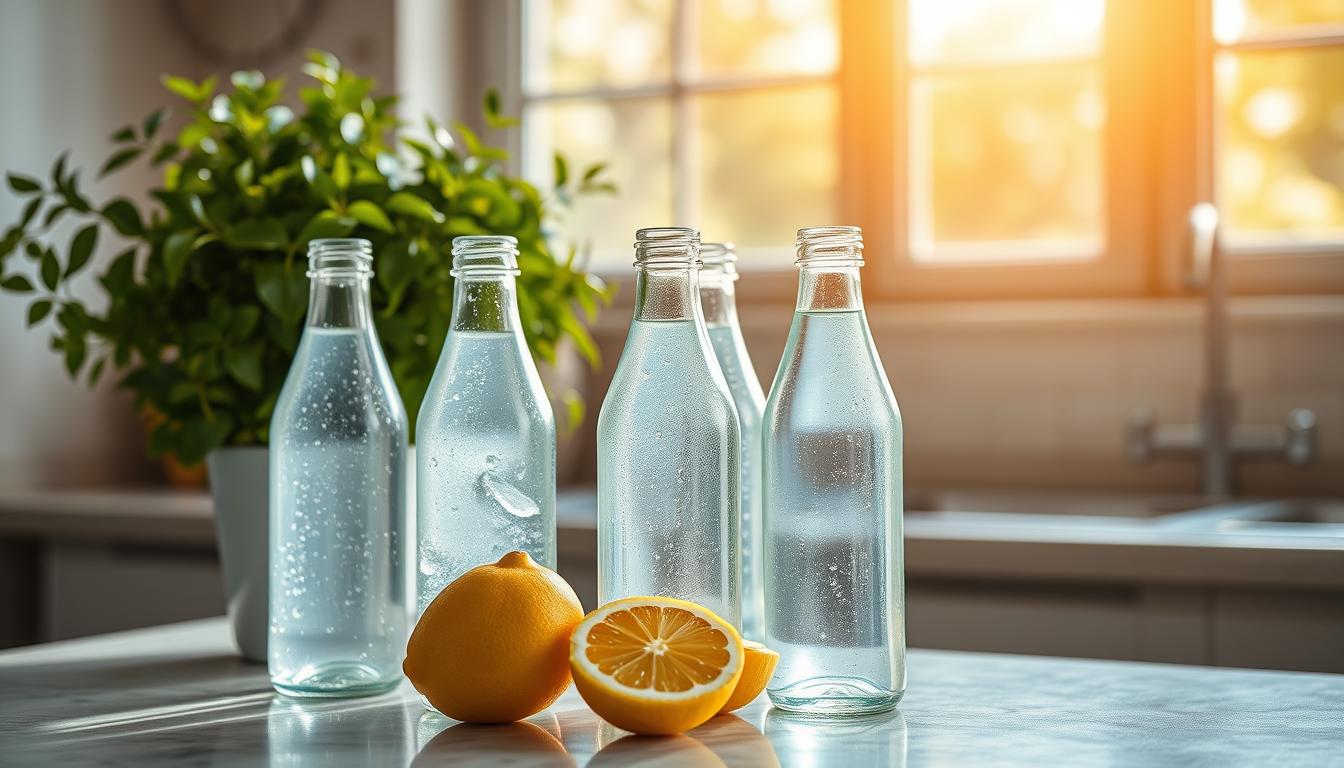
Staying hydrated is key to feeling your best. The Eatwell Guide says most people need 6–8 cups of fluid daily. Dr. Stacie Ly, a medical expert, says fluids help regulate temperature and energy levels.
While the “8 cups a day” rule is common, your needs vary. This depends on your age, activity, and climate.
Hydration tips can make drinking more water easier. Small steps, like tracking intake with apps or setting goals, help. Clear urine means you’re hydrated, while dark urine means you need more.
Every sip counts. Try water-rich foods like watermelon (92% water) or sparkling water to stay refreshed.
The Importance of Staying Hydrated
Staying hydrated is more than just drinking water. It’s essential for your body to work right. Importance of hydration starts at the cellular level. Your body uses water to keep temperature stable, move nutrients, and get rid of waste.
Yet, 75% of Americans are always a bit dehydrated. This can lead to kidney problems and lower brain function.
Dehydration symptoms can be mild or serious. Early signs include dry mouth, headaches, and dark urine. If ignored, it can cause confusion, fast heart rate, and even harm your kidneys.
For older adults, dehydration is a big problem. It affects 28% of those over 60, often because of chronic diseases like diabetes or heart issues.
Water’s health benefits are many. It helps your joints, aids digestion, and keeps electrolytes balanced. Even a small loss of water can hurt focus and mood.
Cartilage, which is mostly water, needs hydration to stay healthy. This can reduce joint pain. Also, drinking more water can help with migraines. One study found 47% of men felt better with more water.
Your body water needs depend on how active you are and where you live. A good rule is to drink half your body weight in ounces each day. For instance, a 150-pound person should drink about 50 ounces.
Ignoring these needs can harm more than just your comfort. It can affect your heart, skin, and even how long you live. Drinking enough water is not just good; it’s essential for staying healthy over time.
Easy Ways to Increase Water Intake
Boosting water intake is all about starting small and staying consistent. Keep a refillable bottle handy everywhere you go. It’s a constant reminder to drink up. “Remembering to drink fluids all day is hard! Keeping a fun water bottle on you at all times can make it easier,” says Hope.
Use water reminders on your phone or water tracking apps to make drinking water a habit. It’s a natural way to stay hydrated.
“Start by aiming for hydration goals based on your body weight. Drink half your weight in ounces daily, like 50 ounces for a 150-pound person.”
Apps like WaterMinder or Plant Nanny help track your progress and send reminders. Try drinking a glass of water before meals to help your metabolism. Start by adding one cup more each day. Small steps lead to big changes.
Make drinking water a part of your daily routine. Pair it with activities like brushing your teeth or taking breaks. This way, staying hydrated becomes second nature.
Use water tracking apps to monitor your progress. Celebrate when you reach your weekly goals. Soon, these habits will keep you refreshed and full of energy all day long.
Creative Water-Drinking Strategies
Make drinking water fun with infused water recipes and flavored water ideas. Try adding citrus slices, berries, or herbs like basil. These natural hydration alternatives make water taste better.
For a refreshing twist, mix cucumber with mint or strawberries with lemon. Hope, a nutritionist, says, “Adding fruit or herbs can turn ordinary water into something you look forward to.” “Even a few raspberries and mint leaves make a big difference.”
Try new ways to enjoy drinking water enjoyment. Chill water in geometric ice cubes or use your favorite glass. Sparkling water or unsweetened iced herbal teas add variety without extra calories.
Batch-prep infused water recipes in mason jars for easy access. For a quick fix, freeze lemon slices in ice trays. They slowly flavor your drink as they melt.
Hydration alternatives like bone broth or diluted fruit juices can help. But avoid sugary mixes. Instead, use sugar-free electrolyte powders. A study in The American Journal of Clinical Nutrition shows fizzy water hydrates as well as regular water. Use reusable bottles to keep flavors fresh and stay hydrated.
Making Water Part of Your Routine

Begin your morning hydration with small steps. Keep a water bottle by your bed and sip a few ounces before rising. This kickstarts your day and replenishes fluids lost overnight. Many people mistake thirst for hunger, so drinking a glass before meals can curb unnecessary snacking. Aim for 4–8 bottles of 500ml each daily—split into manageable portions.
Build a hydration routine by linking water intake to daily tasks. Drink a glass when you brush your teeth, or set alarms every hour to remind yourself. Apps like Daily Water Free let you track progress visually. Pairing water with habits like morning coffee or post-workout recovery makes daily water habits automatic. For example, drink 16–24 ounces after exercise to replace fluids lost.
A water drinking schedule works best when personalized. If you sit at a desk, place a bottle near your workspace. Carry a reusable bottle during errands. Avoid waiting until you’re thirsty—by then, you might already need fluids. Tracking intake with marked bottles or apps ensures you stay on track. Consistency over time turns small choices into lasting drinking water regularly practices.
Fun Ways to Encourage Hydration
Make drinking water exciting with hydration challenges and water drinking games. Try a 30-day hydration challenge or play water drinking bingo. Use apps like WaterMinder or MyWater to track your progress with fun charts.
“Another tip is to have a friendly competition with your friends or family to see who meets their hydration goal,” Hope said.
Get motivated with water intake motivation rewards. Enjoy a smoothie after reaching your daily goal or earn points for a spa day. Join online groups or find a hydration buddy for extra motivation.
Set up hydration rewards like a coffee shop treat or a new water bottle. Use apps or sticky notes to mark your progress. This makes staying hydrated a fun challenge all day.
Incorporating Foods with High Water Content
Hydrating foods like watermelon and cucumbers can boost your fluid intake while adding flavor to meals. Water-rich fruits such as strawberries and peaches offer vitamins alongside their high water content. For example, a cup of watermelon provides 92% water and just 46 calories, making it a refreshing hydrating meal option.

Vegetables also contribute to hydration. Cucumbers contain 95% water and only 8 calories per half-cup serving. Lettuce, at 96% water, adds hydration to salads with minimal calories. Pair these with celery or tomatoes to create hydrating meals packed with vitamins C and K.
Smoothies using strawberries or pineapple boost hydration while delivering antioxidants. Snack on grapes or oranges, which provide 88% water and 118ml per serving. Bell peppers, with 92% water, add crunch to salads or veggie platters while contributing to daily vitamin C needs.
Though hydrating foods help, they don’t replace drinking water. “They supplement, but not replace fluids,” says Hope. Combine them with water-rich fruits and broth-based soups to maximize food hydration sources. For instance, a cucumber and tomato salad offers 94% water combined, aiding hydration without added sugars.
Hydration Tips for Active Lifestyles
Staying hydrated during exercise is key for good performance and safety. Did you know 66% of professional soccer players start workouts dehydrated? Workout hydration needs careful planning. Start by drinking 5-7 milliliters of fluid per kilogram of body weight 4 hours before you exercise. For a 150-pound person, that’s 12-16 ounces.
Two hours before working out, check your urine color. If it’s dark, drink 7-12 ounces more.
During sports hydration, drink 4-6 ounces every 15 minutes. For workouts over 60 minutes, use electrolyte-enhanced drinks like Pedialyte® Sport. It has triple the electrolytes and less sugar than regular sports drinks.
Keep track of sweat loss: each pound lost needs 20-24 ounces of water after exercise. Weigh yourself before and after to see how much you need to drink.
Watch for signs like cramps or dizziness, which mean you need more athletic hydration. Don’t drink too much to avoid hyponatremia. After exercise, drink fluids with foods rich in electrolytes like bananas or broth.
Adjust your exercise water needs based on how hard you’re working. Short, easy workouts might just need water. But if you sweat a lot, consider adding salt tablets or electrolyte mixes. Proper hydration keeps muscles working well and lowers injury risk, making every workout better.
Understanding Your Individual Water Needs
Knowing your daily water needs is key to personalized hydration. Your needs change based on how active you are, where you live, and your health. For example, a 150-pound athlete in Arizona will sweat more than a desk worker in Oregon.

The National Academy of Medicine suggests 125 ounces for men and 90 ounces for women. But these are just starting points. Pregnancy, breastfeeding, or being sick might mean you need more. Even what you eat can help with staying hydrated—like watermelon or spinach.
“Thirst is your body’s built-in hydration guide. Listen to it,” says Dr. Ly. “Most people meet needs by drinking when they feel dryness.”
Pay attention to your body’s signs. Dark urine means you’re dehydrated. Clear or light yellow urine means you’re good. Athletes in hot weather need more water during exercise. Travelers to high or dry places should also drink more.
To find your baseline, multiply your weight in pounds by 0.5–0.7 ounces. A 150-pound person might aim for 75–105 ounces. Increase this during exercise or when you’re sick. Remember, 20% of your hydration comes from food, so eating foods with water helps too. Focus on finding a hydration plan that works for you, not just following a formula.
Hydration for Different Life Stages
As we grow, our need for water changes. Child hydration is key because kids need more water compared to their size. Toddlers under 2 should not have sugary drinks. Older kids need the right amount of water based on how active they are.
A 5-year-old should drink 40 ounces of water each day. This is 8 ounces for every year of their age. Parents can check if their kids are drinking enough by looking for wet diapers or light-yellow urine. Signs like dry lips or feeling tired can mean they need more water.
Older adults also have different hydration needs. They face challenges like weaker thirst signals and effects from medication. Dr. Ly says,
“Older adults are at higher risk of dehydration due to age-related health problems and decreased thirst sensation.”
To help, caregivers can remind them to drink water with meals or when taking medicine. It’s also good to limit time outside when it’s very hot. Eating hydrating foods like watermelon or cucumbers can also help.
Hydration needs change with age. Kids might like colorful cups or water with a bit of fruit. Seniors should drink small amounts of water all day. Drinking too much water at once can lead to problems with sodium levels. By adjusting how we help each age group, we can keep everyone safe and healthy.
Staying Hydrated at Work
Desk hydration is simple. Just keep a reusable bottle on your desk. A clear bottle is a great reminder to drink water instead of sugary drinks. Try setting reminders on your phone to drink water every hour. This helps stay focused and avoid afternoon slumps.
Meetings can also be a chance to drink water. Start each meeting with a glass of water. This makes drinking water a part of your routine. For those working from home, use water breaks to take a break from screens. Even in busy jobs, having a spill-proof bottle is essential.

If you drink coffee, remember to drink more water. Caffeine can make you lose water. Signs of dehydration like headaches or dry skin can show up before you feel thirsty. To help, employers can put water stations in common areas. This encourages everyone to drink more water at work.
Tips for Does and Don’ts in Hydration
Many people make hydration mistakes by drinking water at the wrong times. They also rely too much on sugary drinks. It’s a common drinking water misconception to wait until you’re thirsty to drink. But, by then, you’re already dehydrated.
Try to drink water at the same times every day. For example, sip small amounts of water every hour.
“Avoid alcohol, soda, and sugary drinks—they can dehydrate you quickly,” warns the CDC. Opt for water-rich foods like cucumbers or watermelon, which boost hydration while avoiding empty calories.
Caffeine in coffee or tea can have mild diuretic effects. It’s best to limit these to 2-3 cups a day. Drinking too much water can lead to overhydration, causing nausea or confusion. Your kidneys can only process so much water at a time.
Follow the Institute of Medicine’s guidelines. Women need about 91 oz of total fluids daily, and men need 125 oz. These fluids should come from all sources, not just water.
Don’t drink too much water at once. Your kidneys can only flush 1L of water per hour. Drinking more than that can upset your electrolyte balance. Athletes should drink 8 oz of water 30 minutes before exercising and 4-8 oz every 15-20 minutes during exercise.
After exercising, replace lost fluids. Drink 3 cups of water for every pound lost during exercise.
Drink water with meals and during breaks. Avoid sugary sports drinks unless you’re sweating a lot. Listen to your body. If your urine is pale and you’re going to the bathroom regularly, you’re hydrated well. Avoid extremes and stick to a consistent hydration routine for safe and effective hydration.
Making Hydration Enjoyable
Hydration doesn’t have to be a chore. Make it fun by trying different water enjoyment techniques. Add lemon, cucumber, or berries to water for a tasty change. Sparkling water or herbal teas are great for a fizzy or flavorful drink without sugar.
Even small things can make a big difference. Use your favorite water bottle or a pretty glass. This can make drinking water more enjoyable.
Link hydration to things you love. Drink water with your morning coffee or during a walk. Set reminders to drink water at the same time every day. Use an app or calendar to track your progress. Seeing your daily achievements can motivate you to keep drinking water.
Make it fun. Freeze berries in ice cubes or use colorful straws. Most Americans don’t drink enough water. But, small steps can help. Try drinking infused water instead of soda. Your body, made mostly of water, will feel more energetic and focused.
Find what works best for you. Maybe you prefer cold water in the morning or warm tea after meals. The goal is to enjoy the process. Celebrate your successes, no matter how small. Over time, these habits will nourish your body and bring you joy.