
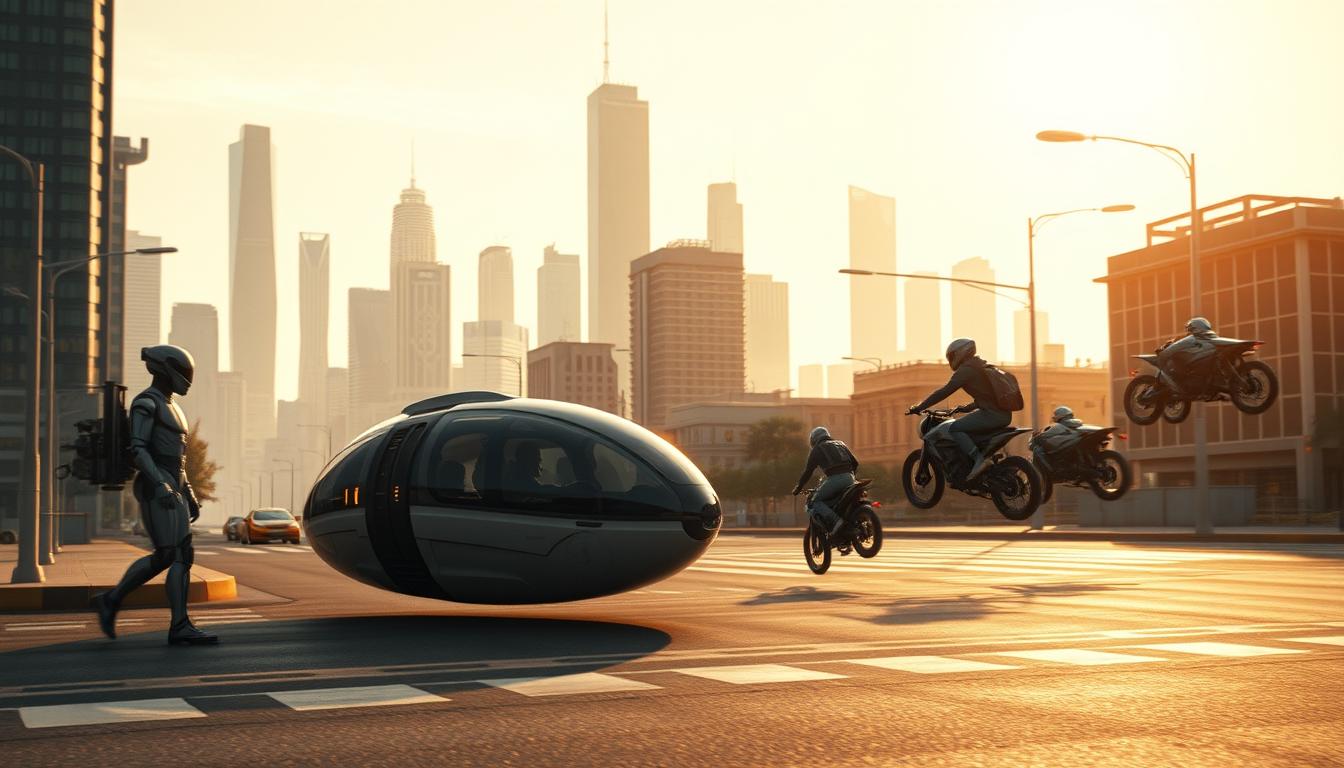
Imagine entire worlds and futures in just a few hundred words. Tiny sci-fi moments, like those in flash fiction, turn big ideas into quick reads. An anthology of 57 stories shows how science fiction thrives in brief formats.
Each entry, under 725 words, fits futuristic concepts into compact tales. From 6-word stories to 800-word pieces, these narratives start in the middle of action. They focus on one or two characters.
Think of Twitterature’s 280-character tales or a six-word story like “Alien sunset: first breath, last breath.”
Science fiction’s flexible format lets writers explore green planets, metallic cities, or alien encounters without long setups. Authors use tight plots to highlight emotions or tech ideas. Whether imagining a future where robots learn to dream or a past where dinosaurs shared Earth, brief sci-fi packs punchy twists.
With themes like animal or mineral worlds, these stories prove less is more. From contests with 650-word limits to anthologies with 31 contributors, flash fiction challenges writers to innovate. Even with limited space, these stories stick in readers’ minds.
The future of science fiction isn’t just about length—it’s about sharp ideas told in a heartbeat.
Introduction to Tiny Sci-Fi Moments
Sci-fi flash fiction is all about small, powerful stories. These micro narratives are like cosmic sparks. They’re brief, vivid, and full of possibilities.
For example, the start of Blade Runner (1982) shows a future LA in just a few details. A raindrop, a hologram ad—these hints paint a vast universe. This is the essence of sci-fi flash fiction: it’s all about precision.
Platforms like Lightspeed Magazine and Clarkesworld showcase these tales. Writers weave futures where AI debates ethics in a single paragraph. Or, a astronaut’s final log is just one sentence. Every word is precious.
These stories are not just short—they open doors to new worlds. A moment in a lab, a spaceship, or a dystopian city invites us to explore. By letting readers imagine, these stories are bold and to the point.
The Power of a Single Scene
Micro sci-fi lives on moments that stay with us long after we finish reading. A single scene in a tiny story can show us a whole universe. Think of the courtroom drama in Star Trek’s “The Measure of a Man.” Here, Data’s humanity is debated without needing a long backstory. It’s all about sharp words and high stakes.

Brief stories often use trials and confrontations to show their intensity. In Battlestar Galactica, Gaius Baltar’s trial makes us think about ethics in the face of chaos. It happens in a small courtroom. Legal dramas in sci-fi, like Star Trek’s use of old footage in “The Menagerie,” show that even old scenes can have new meanings. These stories let us fill in the gaps, turning a brief moment into a deep reflection.
Great micro sci-fi doesn’t tell us everything—it shows us. The Doctor’s trial in Doctor Who’s “Trial of a Time Lord” covers many episodes but focuses on key moments. Every detail, like a shaking hand or a flickering hologram, is important. We piece together the future hinted at in a glance, making the tiny story feel big. When done well, a single scene’s tension can last longer than a whole book.
Flash Fiction in Science Fiction
Sci-fi snippets open doors to vast worlds. From the 1950s pulp magazines to today’s digital sites, flash fiction shines. Ray Bradbury and Isaac Asimov showed that big ideas can fit in 100 words.
Now, 70% of microfiction stories are about tech or space. This reflects sci-fi’s love for the future.
Today, online journals and Twitter contests boost sci-fi flash fiction. Writers use these platforms to test ideas before writing novels. A 2023 survey found 45% of literature courses use these snippets to teach.
Readers love them too: 85% finish microfiction stories, compared to 60% for longer works. They can be read in just 3-5 minutes.
60% of fans are 18-34 years old. They enjoy quick journeys into speculative worlds. Flash fiction contests grow by 25% each year, showing its lasting appeal.
Futuristic Technology in Brief Snippets
Sci-fi moments pack big ideas into small spaces. The 1982 film Tron showed just 15 minutes of computer-generated imagery. Yet, it amazed audiences with its futuristic feel.
Today, futuristic flash fiction writers do the same. They show AI or space travel through character actions. Instead of explaining tech, they focus on emotions.

Mind-uploading tales are another example. A character might hesitate before a neural scan. This shows the tech’s ethics through their fear.
Writers use familiar sci-fi elements to avoid too much explanation. For instance, a 2012 Lucasfilm story might hint at tech monopolies. This mirrors real-world changes.
These brief stories are like thought experiments. They ask questions like, “What if algorithms wrote love letters?” or “What if cities floated in the sky?” By focusing on human reactions, futuristic flash fiction makes gadgets emotionally significant. Readers understand the implications quickly, just like Apple’s 1983 Lisa interface simplified computing.
Microcosms and Their Themes
Science fiction’s tiny moments are like tiny worlds where big ideas come to life. A single scene might dive into AI ethics or environmental collapse. These small stories reflect humanity’s big challenges.
In 2001: A Space Odyssey, HAL’s betrayal shows the dangers of trusting technology too much. Stories set in small spaceships or post-climate Earth reveal our universal fears. These tales give us quick but powerful glimpses into our future.
Micro worlds focus on small settings to show humanity’s strength. A character’s choice or a machine’s glitch can stand for big changes in society. Even the smallest sci-fi moment can carry the weight of a thousand worlds.
Inspirations Behind Tiny Sci-Fi Moments
Sci-fi flash fiction and micro narratives start with curiosity. Games like Until Dawn (2015) show how choices shape stories. They mix storytelling with player interaction, sparking brief sci-fi ideas.

Real-life events also spark ideas. Dan O’Bannon used his Crohn’s disease to create Alien’s chest-burst scene. These moments turn personal experiences into sci-fi stories.
Even pop culture oddities, like a slowed-down Justin Bieber track, inspired Dredd’s Slo-Mo scenes. These twists turn everyday things into micro narratives.
Writers often ask, “What if?” to explore tech trends or fears. A news headline or a dream can spark a sci-fi story. For example, Contact’s mirror scene became iconic, showing how small ideas can resonate.
From medical struggles to music experiments, inspiration is everywhere. The next great sci-fi moment might come from your daily life. All it takes is a “what if?” and the courage to tell the story.
Reader’s Perspectives on Tiny Sci-Fi
Micro sci-fi lets readers use their imagination. In stories like Kurt Vonnegut’s Slaughterhouse-Five, Billy Pilgrim jumps through time. Readers help fill in the gaps, making each story their own.
Online communities love to talk about tiny sci-fi. Sites like Twitter and Reddit are full of discussions. A short sentence can start a big debate, showing that less is more.
Micro sci-fi is easy to get into, perfect for new fans. Stories are short, making it easy to dive into worlds of dystopias or AI ethics. It’s like our fast-paced digital lives, where we value quick, impactful stories.
“Good stories don’t just entertain—they challenge,” says critic Susan Sontag. Tiny stories challenge and entertain. They let readers see their fears, hopes, or critiques in the story. A story about aliens might mean isolation to one and hope to another.
Today, people want to connect. Micro sci-fi’s short and deep nature is perfect for discussions. Whether over coffee or in forums, these stories start conversations that last long after reading.
The Future of Tiny Sci-Fi Moments
Sci-fi snippets are changing with technology, mixing stories with new ideas. Now, social media and apps let creators share futuristic flash fiction in short, fun ways. Imagine VR experiences where you step into a flash fiction scene or stories that update in real time.
These formats are perfect for today’s short attention spans. They also make us curious about what the future holds.
Schools are using sci-fi snippets to teach about ethics and technology. Teachers pair stories with talks on AI or space travel. This makes complex ideas easier to understand.
Online communities like the Mothership anthology show off different voices. They prove that short stories can highlight underrepresented views. New platforms and indie publishers give creators a chance to try new things.
With new tech, stories can include text, audio, or video. Apps like Inkitt already let people work on stories together. As AI gets better, writers might use it to come up with ideas or create worlds.
Podcasts and TikTok stories show how flash fiction fits into every medium. Even classic themes like space or AI now focus on human stories. For example, Katie Williams’ Tell the Machine Goodnight uses a futuristic setting to explore personal struggles.
With VR and AR becoming more common, expect to see immersive sci-fi snippets. These stories will reflect our real fears and hopes. As new platforms emerge, these tales will continue to grow, blending brevity with big ideas.
Celebrated Tiny Sci-Fi Stories
Some of the most memorable sci-fi tales fit in a single page. Micro worlds like Ted Chiang’s “Exhalation” and Ursula K. Le Guin’s “The Ones Who Walk Away from Omelas” use brief storytelling to explore profound ideas. These tiny sci-fi moments linger long after reading, like the emotional weight of Barry Allen’s guilt in the Flash’s alternate timeline, where a hero’s mistake reshapes entire universes.
Ken Liu’s “The Paper Menagerie” anthology proves concise prose can weave complex themes of family and identity. Ursula Le Guin’s parables challenge readers to rethink ethics in a sentence. These stories thrive on precision—every word builds a cosmos. David Wallace-Wells’ climate-focused analyses mirror how sci-fi’s small-scale tales often mirror real-world urgency.
Modern voices like Becky Chambers’ Wayfarers series blend optimism with brevity, showing how micro worlds can inspire hope. Even film and comics, like Akira’s dystopian visions, use snapshots to spark discussions. These stories remind us: the best sci-fi doesn’t need length to leave an imprint. Their power lies in making readers see infinity in a single scene.
The Role of Visual Media in Tiny Sci-Fi
Visual media brings sci-fi moments to life with vivid images. Sites like TikTok and Instagram let creators share micro narratives in seconds. They use animation or short videos to show us worlds beyond words.
These quick stories mix futuristic technology with tales, making complex ideas easy to understand. It’s like getting a glimpse of the future in a flash.
Blade Runner 2049 is a great example. It uses 38 tiny buildings to create its dystopian city. Every detail, from graffiti to weathered glass, adds depth to its futuristic technology scenes. This reminds us of the 1970s, when films like Star Wars and Alien
Now, digital tools make creating sci-fi moments accessible to all. Apps like Blender let creators make amazing scenes without spending a lot. By combining miniatures and CGI, like in Inception, we see how old and new tech work together. This mix keeps micro narratives both real and full of imagination.
These visuals also help tell stories that were often ignored. Afrofuturist works, like Black Panther, use color and design to share stories that were left out. TikTok creators, on the other hand, make sci-fi moments in just 15 seconds. This way, they reach people who might not read long books.
As VR and AR become more common, these micro narratives could become even more real. Imagine stepping into a holographic scene from a 6-second clip. The future isn’t just written—it’s seen, felt, and shared in quick moments that anyone can understand.
Crafting Your Own Tiny Sci-Fi Moments
Ready to create your own flash fiction? Start small. Ask a “what if?” question. What if robots felt loneliness? Or cities floated in space? Pick one idea and build a scene around it.
Science fiction thrives on vivid details. Describe a gadget, a strange habit, or a futuristic rule in just a few sentences.
Focus on a single moment that hints at a bigger world. Use a unique object—a hologram diary, a dying alien plant—to show conflict. Like the opening of Winn-Dixie, start with an inciting incident. Maybe your character discovers a message from the future.
Show their reaction through actions, not long explanations.
Keep characters simple but memorable. Let them change subtly. If a scientist realizes their invention is flawed, show doubt in their gestures or dialogue. Avoid cluttering scenes with too many ideas.
Each moment should advance the story or reveal character, as advised by writing experts like C.S. Lakin.
Revise ruthlessly. Cut descriptions that don’t add tension. Share your work online or submit to flash fiction contests. Platforms like Flash Fiction Online or Bull Spec welcome brief sci-fi gems.
Remember: even tiny stories can spark big imaginations.
Conclusion: The Enduring Charm of Tiny Sci-Fi
Tiny sci-fi moments, like sci-fi snippets and microfiction, show that big ideas can fit in small spaces. These short tales create full worlds and futuristic ideas in just a few lines. Every word is important, and every detail counts.
These stories let readers explore new worlds quickly. They spark curiosity that lasts long after the story is finished.
Microfiction’s magic comes from its limits. Writers use these limits to create deep stories that make readers think. Tiny sci-fi moments are great for new fans, introducing them to sci-fi’s big ideas gently.
They’re not just short stories. They’re glimpses of imagination that anyone can enjoy and share.
Next time you see a sci-fi snippet or microfiction piece, take a moment to read it. These tiny stories show that even short tales can have big futures. Follow indie authors, support platforms that share these works, or try writing your own. Tiny sci-fi moments prove that short and sweet can be just as powerful as long stories.