
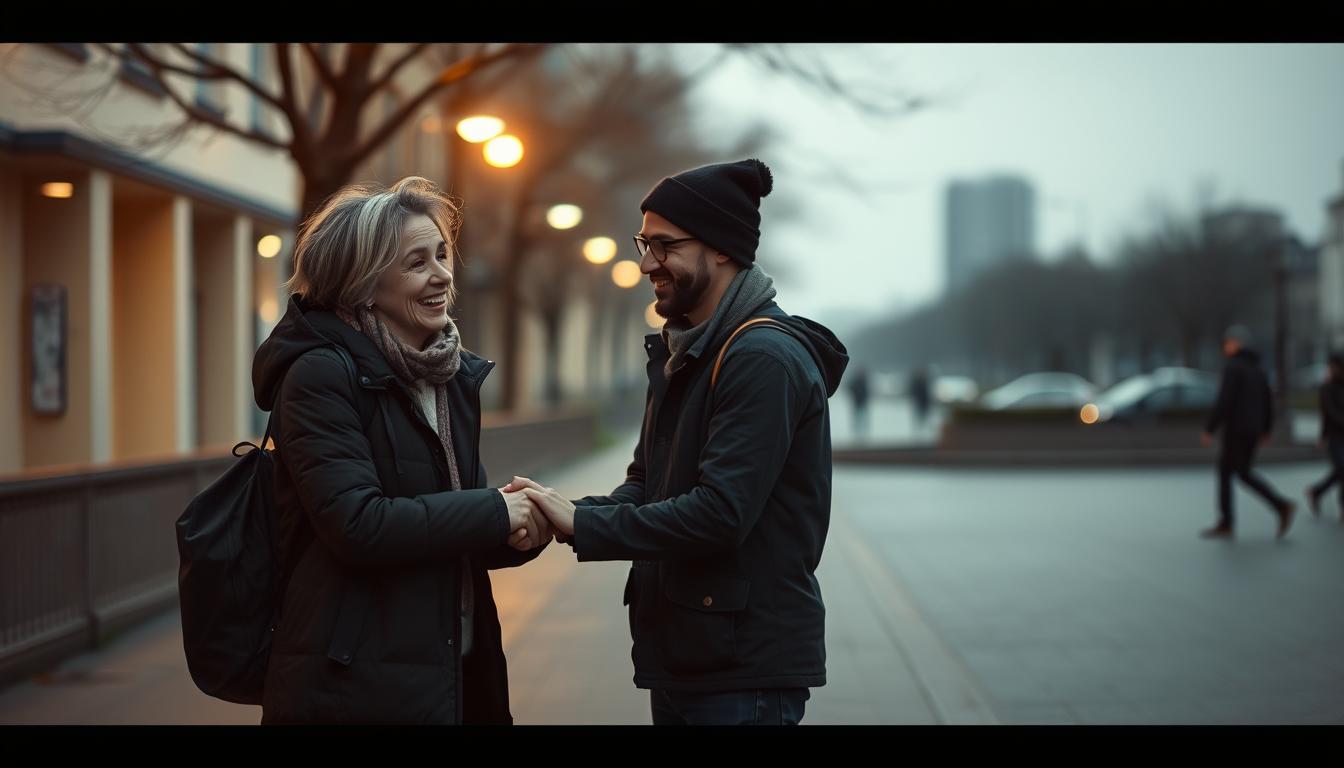
In 1972, 15-year-old Bill Price felt left out at a summer program reunion. A stranger, Wendy Westman, changed everything with a simple invitation. This act of unexpected kindness became a life-changing moment for him.
Years later, Price credits that transformative experience for shaping his career as a psychiatrist. His story shows how small gestures can have a big kindness impact.
Math shows how one act can spread far and wide. A model shows kindness grows exponentially: 1 →3 →7 →15 people in four months. By month 33, it could reach all 8 billion people.
Science backs up Bill’s journey. It says kindness lifts moods and inspires others to act. These numbers confirm his story: small choices can lead to big changes.
Bill’s story shows how a moment of inclusion can change a life. His experience is not alone—54% of people remember kindness during tough times. This section explores how such acts start chains of positivity, proving kindness is more than nice—it’s a powerful force.
Understanding Unexpected Kindness
Kindness often surprises us. Like when a stranger buys coffee for the person behind them. Or when a neighbor shovels snow without being asked. These random acts of kindness make a big impact. They break the usual routine and touch our hearts.
John Kralik’s story is a great example. He wrote 365 thank-you notes, changing his life. Psychologists say kindness breaks patterns. A simple note or smile can change someone’s day or life. They say kindness is like a muscle that gets stronger with practice.
“When millions perform small acts of kindness, their collective power can reshape the world.” —Howard Zinn
Think about this: A BMW dealership’s bad service lost a customer. But a Mercedes team’s kindness kept a customer coming back. The Mercedes team’s unexpected generosity won loyalty. Kindness releases dopamine, making connections deeper than just buying and selling.
Kindness is more than just being polite. It’s about acting when no one expects it. These moments can turn sadness into hope. Bruce Kasanoff says kindness builds emotional strength. Every small choice can start a chain reaction, showing that one act can change a life.
The Impact of Small Gestures
Small acts of kindness can start a kindness ripple effect. They create life-changing moments that spread far and wide. Think about this: if everyone who received kindness shared it with two others each month, the whole world could feel it in just a few years. This isn’t just a dream—it’s simple math.
A single meaningful gesture, like a smile or helping hand, can change lives. It can bring hope and break through despair in ways we often miss.

Studies show we often don’t realize how much our actions mean to others. A 2018 study found we underestimate how much others value our kindness. This gap is called the “liking gap.”
Also, we tend to focus more on the negative than the positive. But, a simple text or surprise note can change someone’s day. Many are afraid of being rejected, but research shows surprise gestures increase gratitude.
These small actions can start a chain reaction. A coffee for a stranger might inspire them to help someone else. This can lead to even more positive changes.
“Small acts of kindness are the building blocks of community,”
Dr. Amanda Cole, an empathy researcher, says. These small actions can change neighborhoods, schools, and workplaces. When we doubt our impact, remember: every small act of kindness counts. One gesture can give someone the courage to keep going or believe in humanity again.
Real-Life Stories of Unexpected Kindness
A stranger kindness can change someone’s life in ways you can’t imagine. For example, a job seeker followed a stranger to an interview. This simple act led to a 15-year career across three continents. Such kindness stories are common, with 1 in 5 Americans sharing similar experiences.
These moments may seem brief but leave a lasting impact. They show how kindness can change lives.
Bill Price, once shy, credits a stranger for changing his life. A simple invitation to a community event led him to become a psychiatrist. He says, “Kindness broke down barriers.”
John Kralik, a lawyer, turned his life around after one act of kindness. He wrote 365 thank-you notes, rebuilding his career and relationships.
Even small acts of kindness can have a big impact. A neighbor helping with groceries during a storm or a barista paying for a stranger’s coffee can start a chain of kindness. Research shows 85% of those who receive kindness want to give it back, building community bonds.
These stories show that a single moment can change someone’s future. Kindness between strangers is more than a gesture; it’s a force for change. The data proves it: 90% of those who receive kindness become givers, showing personal transformation starts with one act of kindness.
The Psychology Behind Kindness
Kindness changes our brains in big ways. When we’re kind, our brains release oxytocin, which lowers stress. This makes us feel closer to others and boosts our mood.
A 2018 study found that being generous makes us happier and lowers blood pressure. This shows kindness is good for us, not just others.

Empathy science is key here. Seeing kindness makes our brains feel rewarded. Sonja Lyubomirsky found that thinking about kindness makes us happier.
John Kralik said being grateful makes us feel good. The Journal of Positive Psychology agrees.
Kindness changes how we act. A 2015 study showed kindness makes our hearts beat faster and our brains work better. This makes us want to be kind too.
Students who see kindness are more optimistic and likely to help others. This shows kindness can spread.
Oxytocin is more than just a feeling. It’s a chemical that makes us feel good when we help others. Even small acts, like saying something nice, can improve our mental health.
Research shows kindness reduces anxiety by focusing on community. Brands like the World Kindness Movement use this to create lasting kindness.
Kindness in the Workplace
Imagine starting a career because a stranger helped you find an interview location. That act of workplace kindness sparked a 15-year global career. It shows how small gestures shape office culture. Career mentorship and professional generosity can turn casual help into lifelong opportunities. Companies that focus on these thrive: those with connected employees are 12x more likely to succeed.
“A study of 50,000 workers found kindness boosts productivity and reduces turnover by fostering trust and innovation.”
Leaders who model kindness make better decisions. Yet, people remember criticism more than praise. That’s why intentional acts matter. Mentorship programs and recognizing achievements create ripple effects, as seen in the American Psychological Association’s findings on “paying it forward.”
Even remote teams can cultivate kindness. Simple compliments or sharing credit build bridges. Tools like gratitude platforms, mentioned in Harvard Business Review, help maintain connections. When leaders apologize sincerely, employees see them as more competent. Small steps like these transform office culture into a foundation for growth.
Inspiring More Acts of Kindness
Kindness starts with small, intentional choices. John Kralik wrote 365 thank-you notes, showing how consistent kindness can change lives. Anyone can start today.

Being kind means overcoming fears or busy schedules. Begin with tiny actions: a text to a friend, a smile at the store, or a positive review. These small steps build up without taking too much time.
Generosity grows with variety. Try doing something without being seen—a book left in a park, or meals for the hungry. Add structured challenges like a 30-day kindness challenge. Keep track of your progress, like John did with his notes.
Compassion fits everyone’s style. Introverts can send encouraging emails, while extroverts organize cleanups. Even small acts, like babysitting for a neighbor, can make a big difference. Studies show they improve mental health and strengthen bonds.
Kindness isn’t just about big actions. It’s about being present. Pick one small act each day—a message of thanks, a donation, or a compliment. Over time, these acts create a wave of positivity.
The Role of Social Media
Social media kindness changes how we connect. Platforms like Twitter help strangers become allies. For example, Tony Robbins helped a grieving user with a tweet. This act of kindness started a healing journey, showing how online compassion can reach far.
Stories like these show social media’s power. Hashtags like #22Kill turned pushups into mental health awareness. This shows how kindness online can make a big difference.
But, there are challenges. Yale research found negative posts spread faster. Yet, this doesn’t mean we should lose hope. We can fight negativity by focusing on meaningful interactions.
Sharing a friend’s fundraiser or supporting a small business helps build compassion online. These actions make kindness a part of our daily lives.
Even brief online interactions can make a difference. A LinkedIn review for A Luxury Limo’s Mauricio showed gratitude turned into loyalty. These examples remind us: kindness online is real. It builds trust and community. Let’s focus on uplifting others, not just following trends. Small, thoughtful posts can have a big impact, starting with one kind message.
Thanksgiving and Kindness
Thanksgiving kindness is more than just a meal. It’s a way of thinking. Sharing meals or writing thank-you notes can start a chain of holiday generosity. John Kralik’s story shows how small acts, like notes, can change lives.
Even when money is tight, kindness can thrive. His gratitude letters became a tradition. This shows that kindness can grow, even when resources are scarce.

Seasonal giving is more than just money. It’s about the heart. Studies show that 78% of people feel valued when thanked. And 90% of those practicing gratitude feel more connected.
This holiday, think about writing a note for a coworker or thanking a store clerk. Their impact lasts long after the season ends. The Happiness Sprinkling Project in Anacortes, Washington, shows how small acts can make a big difference.
True Thanksgiving kindness is about seeing chances to give. Whether it’s leaving a tip for a barista or inviting someone alone to your gathering, these acts can become a habit. Let gratitude guide your actions, making lasting changes.
Teaching Kindness to Children
Kindness education starts early. Stories like Bill Price’s show how empathy begins in childhood. Parents and teachers can model family compassion every day. They show kids how to notice others’ needs.
Simple routines like sharing toys or thanking neighbors are key. They build foundational skills. These actions teach kids to care for others.
Kindness education doesn’t need big lessons. Schools can use the Random Acts of Kindness Foundation’s 52 weekly activities. A 2023 study found kids who practice kindness have better social skills and emotional well-being.
Even small acts, like doing a 5-minute chore for a sibling, teach responsibility. They show kids the value of caring for others.
Combatting bullying is essential. With 30% of kids witnessing school bullying, kindness education helps. Families can create “secret missions” to help others without being seen.
Gratitude journals, like Kralik’s practice, help kids focus on the positive. Schools in the Great Kindness Challenge see fewer conflicts and stronger bonds.
Kindness isn’t just taught—it’s lived. Adults must show patience when kids struggle. They turn mistakes into learning moments.
By age 7, children can join community projects. They can plant trees or donate clothes. These actions teach sustainability and compassion.
“Kindness is a muscle that strengthens with use,” says the Random Acts of Kindness Foundation. Their free resources help families create lasting habits.
Start small: a smile, a compliment, or helping a classmate. These acts build a foundation for lifelong empathy and resilience.
Embracing Kindness in Challenging Times
Kindness shines brightest in tough times. Imagine someone who lost their father and found healing in small acts. A stranger picked up a coin at a train station, or a roommate shared soup when they were sick. These simple acts became lifelines.
Studies show that planned kindness builds resilience. During the pandemic, people showed compassion in many ways. Neighbors checked on the elderly, and healthcare workers cared for patients despite their fears. These acts showed kindness can thrive even when life is hard.
Helping others heals not just individuals but also communities. A student in Japan, after getting COVID-19, found support in a friend’s help. These small acts changed their view of human connection. Research shows that real connections, like smiling or sharing meals, strengthen our bonds.
Volunteering, even for a short time, can make a big difference. It can even help us live longer and feel less lonely. Choosing kindness, even in hard times, creates positive change. It’s about the courage to help or accept help when it’s hard.
Kindness is not just for good times. It’s the quiet strength that turns sadness into purpose. Small acts of kindness can fuel our resilience. As Darwin said, our instinct for compassion is stronger than our need to survive. Let kindness be the bridge between pain and hope, connecting us when the world seems broken.